
Most Australian adults who bet have sat through a session that dragged well past the point of fun. The screen is bleeding red, the next spin feels almost due, and walking away would mean admitting the last hour of top-ups is gone. That loop is the sunk cost fallacy in action, and the casino floor – whether at a Brisbane pub club on Caxton Street or a digital lobby on the train home from the Gabba – runs on it more reliably than any bonus ever could.
Why the Trap Feels Logical in the Moment
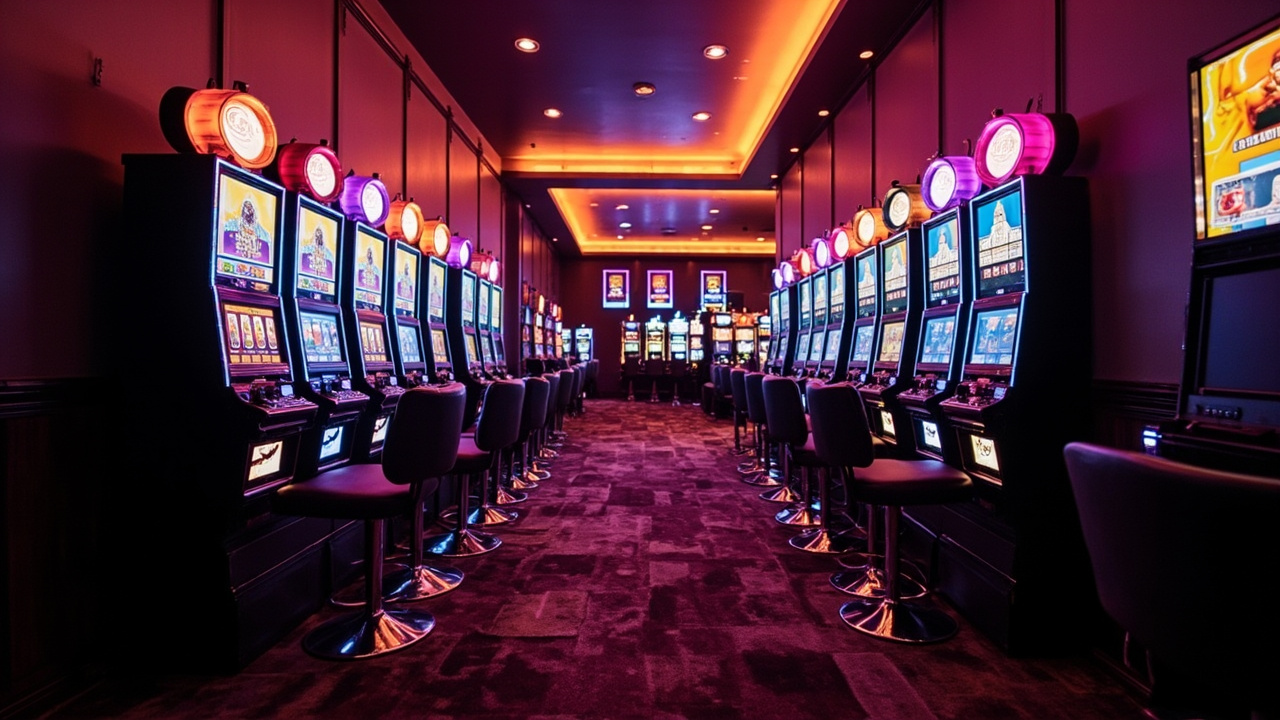
The sunk cost fallacy is deceptively simple: you keep investing because you’ve already invested, not because the next move is actually worth it. In wagering terms, the prior losses are spent. They cannot be recovered by another spin, another hand, or another multi. Yet the brain treats prior spend as a kind of collateral, a reason to keep going, because stopping would mean the money was wasted.
From an operator-side perspective, this is exactly the engagement curve product teams design around. A session timer, a recent-loss ticker, a “you’re on a streak” nudge after a near-miss – these are not accidents. They’re nudges calibrated to the same cognitive bias a poker player in Surfers Paradise is fighting when they call one more street because of the pot already in the middle.
“Players don’t need to be told the math,” notes Matilda Campbell, Board Member at Top End Gaming Advisory. “They need a structure that breaks the decision before the bias does.”
That’s the reframe. The fallacy isn’t a lack of knowledge. It’s a sequencing problem – emotion reads the previous bet, then picks the next one.
Three Real-World Examples That Hit the Lounge
Most players recognise the pattern once it has a shape. Here are three everyday examples that show how the sunk cost fallacy actually shows up around Australian play.
Chasing the Multi on a Same-Game Multi
You back the Broncos +3.5, the first half hits, but the total stays under at halftime. Rather than reassessing the second-half price on its own merits, you stack on the over because the multi is “almost there.” The first leg isn’t a reason to add a second one. Each leg should stand alone, but the sunk cost of the existing ticket warps the value calculation. A cleaner habit: cancel the mental ticket, price the second leg fresh, and only add it if the new number beats the line by a genuine margin. The first bet’s outcome is already locked in; treating it as live collateral is the trap.
The Late-Night Pokies Top-Up
You’re down $120 at the RSL, the cash balance is on $40, and the kettle is on. The next $20 goes in because the previous $120 would feel “wasted” otherwise. The honest comparison is the $40 in your pocket against the $0 already gone. A pre-commitment rule that caps session top-ups to a set number, decided at the door, short-circuits the bias. Some venues in Brisbane and the Gold Coast now surface session timers on the screen – use them, and treat the limit as a hard line, not a soft suggestion.
“One More Hand” After a Tilt at the Online Tables
The live blackjack run has gone cold, you’ve moved up a table to “recover,” and the next shoe feels like the reset. Stakes have crept from $10 to $50, not because the edge has changed, but because the prior losses are doing the decision-making. A standing rule that any stake change requires a five-minute break removes the muscle-memory trap. It also gives the maths a chance to catch up to the mood.
Is the Sunk Cost Fallacy Different Online?
In short – same bias, sharper edges. A digital lobby never closes, the cashier is one tap away, and there is no natural walk-past-the-ATM moment that a suburban venue imposes. That friction is part of the defence, which is why so many Australian players have moved to a more deliberate payment setup using fast AUD payout wallets for Australian casino players. When withdrawals take a moment rather than a swipe, the gap between impulse and action widens. That gap is the friend of anyone trying to honour a stop-loss they set at the start of the arvo.
The other difference is data. Most licensed AU-facing products now expose session spend, deposit totals, and time-on-site in a player dashboard. The sunk cost fallacy thrives in fuzzy recall. A live figure showing you’ve already lost $300 this week does more to break the spell than any willpower in the moment. If a platform hides that data or buries it three menus deep, that is itself a signal worth reckoning with.
Player Fit: Who Benefits Most From Naming the Bias
The players who get the most out of a “sunk cost” framework are regulars, not casual once-a-year punters. If you play weekly at a Crown Melbourne table or run a Saturday multi on the NRL, you have enough volume for the bias to compound. Casual players lose less to the fallacy because each session is statistically independent in their head anyway.
It also helps the recreational player who treats wagering as entertainment spend – a $50 night out, capped, with anything left over a bonus. Under that frame, the sunk cost of the lost $40 is exactly what you paid for the show, no different to a movie ticket. The fallacy only bites when the money is supposed to be coming back. If your session budget is entertainment money, spend it like entertainment money. If it isn’t, the bias is just doing its job.
The most useful shift is the smallest one. Decide, before the next login or the next walk through the gaming room, what the session is for, what the hard exit looks like, and what number – not what feeling – ends the night. The sunk cost fallacy will keep showing up, because it always does, and it always will, especially on a Saturday arvo with a multi one leg short. The trick is to put a rule in front of it that the bias has to push past, rather than a feeling it can simply talk over.